

Cart
0
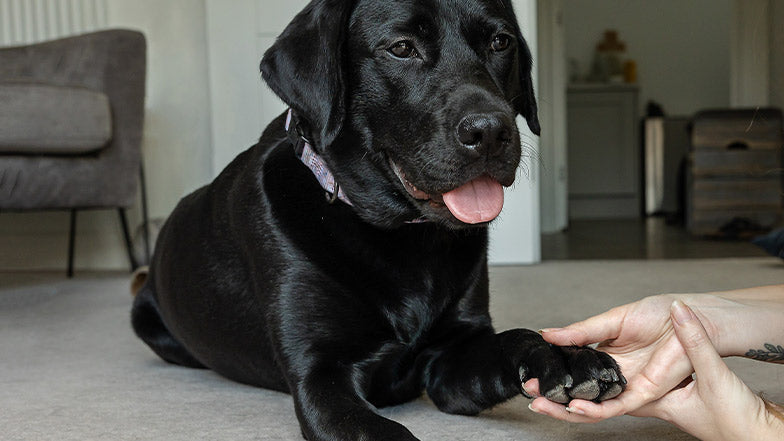
Quick question: when was the last time you did a 2-minute wellness check on your pet?
The Pet Parent’s At-Home Wellness Checklist
Simple daily habits that keep dogs and cats healthier (and how to spot problems early)
If you’ve ever wondered, “Am I doing enough for my pet?” — you’re not alone.
Most pet parents love their pets deeply, but daily life is busy. The good news is you don’t need a complicated routine to support your pet’s health and comfort. You just need a few consistent habits and the ability to notice small changes early.
This guide gives you an at-home wellness checklist you can use weekly (or even daily) to help your dog or cat feel their best — plus what to watch for and when to call a professional.
Quick note: This article is for general education and is not a substitute for veterinary care. If your pet is sick, in pain, or acting unusually, contact a veterinarian.
Why “small daily habits” matter more than big once-in-a-while changes
Pets don’t always show discomfort clearly. In many cases, early signs are subtle: slightly less energy, a small change in appetite, or avoiding being touched in a certain area.
Daily wellness habits help in two powerful ways:
-
Prevention: you reduce problems before they start
-
Early detection: you spot changes sooner, which usually means easier treatment and less stress (for everyone)
The At-Home Wellness Checklist (Dogs + Cats)
1) Hydration check (takes 10 seconds)

Hydration Check: Fresh Water for Dogs & Cats
What to do:
-
Make sure your pet always has fresh water.
-
Clean the bowl daily (slimy bowls can make pets drink less).
What to watch for:
-
Drinking way more or way less than normal
-
Dark urine, very infrequent urination, or straining
Trust tip: If you have multiple pets or a picky drinker, a clean, easy-to-access water setup matters a lot. Some pets drink more when water is consistently fresh and conveniently placed.
2) Coat & skin scan (1 minute)

Coat & Skin Check: Gentle Brushing for a Healthy Coat
What to do:
Run your hands along your pet’s body while they’re relaxed. This is a simple way to check:
-
skin condition (dry, flaky, irritated?)
-
coat texture (dull, oily, shedding changes?)
-
bumps, scabs, or sensitive areas
What to watch for:
-
hot spots, redness, strong odor
-
excessive scratching/licking
-
sudden bald patches
3) Paws, nails & mobility (30 seconds)

Paws & Mobility Check: A Quick Look for Comfort
What to do:
Take a quick look at:
-
paw pads (cracks, cuts, redness)
-
nails (overgrowth, splitting)
-
how they move (stiffness, hesitation on stairs)
What to watch for:
-
limping, licking paws constantly
-
nails clicking loudly on hard floors
-
avoiding jumps they normally do
4) Teeth & breath check (20 seconds)

Teeth & Breath Check: A Gentle Weekly Habit
Dental health is one of the biggest “quiet issues” for pets. Dental pain often hides behind normal behavior until it becomes severe.
What to do:
-
Lift the lip gently and glance at the gumline.
-
Notice breath changes.
What to watch for:
-
very bad breath that appears suddenly
-
red gums, brown buildup, bleeding
-
pawing at mouth, dropping food, chewing on one side
Good to know: A simple at-home routine can make a major difference over time. If brushing is hard, start with gentle handling and build trust first.
5) Bathroom & appetite patterns (daily awareness)
You don’t need to obsess — just notice what’s normal.
What to watch for:
-
appetite drops or constant hunger
-
vomiting/diarrhea, constipation
-
accidents in the house when that’s unusual
If something changes for more than a day, it’s worth paying attention.
6) Stress & behavior check (the underrated one)
A pet’s “mental wellness” affects everything from digestion to skin health.
What to do:
Notice if your pet is:
-
playful and engaged
-
sleeping normally
-
interested in favorite activities
What to watch for:
-
hiding more than usual
-
clinginess that’s new
-
sudden irritability or restlessness
When to call a vet (don’t wait on these)
Contact a vet promptly if you notice:
-
difficulty breathing
-
repeated vomiting/diarrhea or dehydration
-
inability to urinate or straining
-
sudden weakness, collapse, or severe lethargy
-
signs of pain (yelping, trembling, guarding)
When in doubt, it’s always okay to call and ask.
A simple weekly routine you can actually stick to
Here’s an easy plan that works for most homes:
Daily (1–2 minutes total):
-
water refresh + quick behavior/hydration check
2–3x/week (3 minutes):
-
coat/skin scan + paws check
Weekly (5 minutes):
-
nails check + teeth/breath check + note anything unusual
This isn’t about being “perfect.” It’s about being consistent.
Our promise at PetsLovePerks
PetsLovePerks exists for pet parents who want practical care at home — without gimmicks.
We’re building this shop carefully with:
-
clear product info
-
honest expectations
-
comfort-and-wellness focused picks
If you ever have a question about what’s right for your pet, reach out. We’ll always do our best to help you make a good decision (even if that means pointing you to a better option).
Want a printable version of this checklist?
Comment on our Facebook page or message us, and we’ll share a free printable “At-Home Wellness Checklist” you can stick on your fridge.
Your turn: What’s one wellness habit you already do with your pet — or want to start doing?

